Family Owned & Operated Since 1998
Posted on May 6th, 2026
Understanding the psychological triggers that drive casino gambling behavior
One of the most compelling psychological triggers that drive casino gambling behavior is the inherent allure of risk and reward. Many individuals are drawn to the excitement of potentially winning large sums of money, which can create an adrenaline rush comparable to other high-stakes activities. This thrill often overshadows the reality of the odds, making players more likely to engage in gambling despite knowing the long-term statistical disadvantages. The potential to experience a significant financial gain can be intoxicating, prompting repeated visits to casinos or online platforms like BSB007.
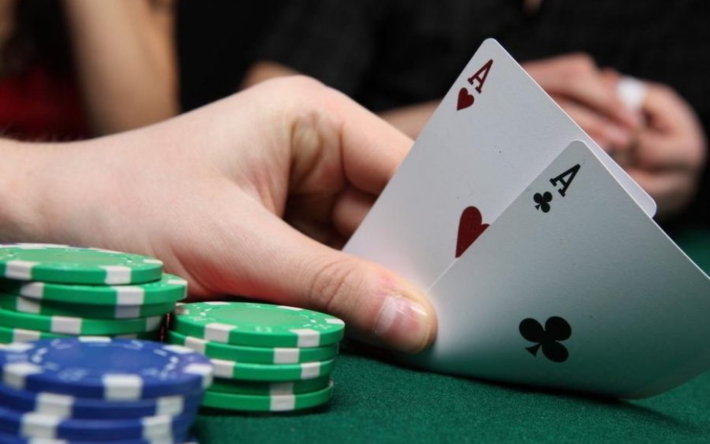
Furthermore, the design of casino environments plays a crucial role in enhancing this allure. Bright lights, sounds of winning, and the layout of games are meticulously crafted to foster a sense of urgency and excitement. This sensory stimulation can trigger impulsive decisions, as players might find themselves compelled to continue playing in pursuit of a big win. The psychological phenomenon known as “near misses,” where a player narrowly misses a winning combination, can further perpetuate this cycle, encouraging them to gamble again in hopes of overcoming that almost-there sensation.
This desire for risk and reward extends beyond financial motivations. Many gamblers report a sense of social belonging or excitement that accompanies their gaming experiences. Engaging in gambling activities often provides opportunities to socialize and connect with others, creating a community around shared interests. This social aspect can be a powerful motivator, enhancing the overall appeal of casino gambling and driving repeat behavior.
Cognitive biases significantly influence gambling behaviors, often leading players to make irrational decisions. One of the most prevalent biases is the illusion of control, where individuals believe they can influence the outcome of random events, such as the spin of a slot machine or the roll of dice. This misconception can lead to increased gambling, as players feel empowered to make bets based on flawed reasoning, believing their choices affect the game’s outcome.
Another important cognitive bias is the gambler’s fallacy, which leads individuals to believe that past outcomes influence future results. For instance, a player may think that a particular number is “due” to hit after a streak of losses, prompting them to place larger bets in hopes of a forthcoming win. This bias creates a cycle of gambling that may seem rational to the individual, despite being statistically unfounded. Recognizing these cognitive pitfalls is essential for understanding why many people struggle to control their gambling behavior.
Moreover, confirmation bias plays a critical role in reinforcing gambling habits. Players often seek out information that supports their belief in their own luck or skill while dismissing evidence to the contrary. This selective attention can create a false narrative of success, encouraging continued participation in gambling activities. By understanding these biases, one can better appreciate the psychological mechanics driving casino gambling and the challenges individuals face when trying to curb their behavior.
Emotional states can significantly influence gambling behavior, leading individuals to engage in gambling as a means of coping or escape. For many, the casino environment serves as a distraction from everyday stresses or emotional turmoil. The excitement and thrill of gambling can provide a temporary relief from negative emotions, creating a pattern where individuals turn to gambling during challenging times. This escape mechanism can lead to increased gambling frequency, as it becomes a way to manage feelings of anxiety, depression, or boredom.
The interplay between emotions and gambling also includes the concept of mood regulation. Some individuals may gamble to enhance their mood or celebrate successes, believing that winning will amplify their happiness. Conversely, after experiencing losses, players might chase their losses to regain a sense of control and satisfaction. This emotional rollercoaster can create a cycle of highs and lows that keeps individuals returning to casinos, as they seek to replicate the highs and avoid the lows.
Additionally, social influences play a critical role in emotional gambling behaviors. Gamblers are often affected by the emotions and attitudes of those around them. A friend’s excitement about a game or a celebratory atmosphere in a casino can heighten one’s desire to engage in gambling. These social cues can trigger emotional responses that override rational decision-making, leading to increased gambling activity. Understanding the impact of emotional states is vital for grasping the complexities of gambling behavior and developing strategies for responsible gambling practices.
Marketing strategies employed by casinos and online gambling platforms capitalize on psychological triggers to attract and retain customers. These promotions often create a sense of urgency and exclusivity, compelling potential gamblers to take immediate action. Limited-time offers, bonuses, and loyalty programs are designed to tap into players’ emotions, enhancing the desire to gamble and fostering a sense of belonging to a community of players. This strategic marketing can heighten the excitement associated with gambling, making it more appealing to individuals.
Moreover, the use of appealing visuals and persuasive language in advertisements plays a critical role in shaping perceptions of gambling. These marketing campaigns often emphasize positive experiences and successful outcomes, reinforcing the idea that gambling can lead to social connections and financial rewards. By presenting gambling in a favorable light, marketers can influence public perceptions and encourage participation, even among those who might otherwise be hesitant.
The design and layout of physical casinos also serve as a form of marketing. The atmosphere is crafted to be inviting and exhilarating, with attention to detail in aesthetics, sound, and interactivity. This sensory environment can create an immersive experience that enhances the psychological pull of gambling. By understanding these marketing techniques, one can better navigate the influences driving gambling behavior and make informed choices regarding their gambling activities.

At BSB007 Casino, understanding the psychological triggers behind gambling behavior is a priority as part of promoting responsible gaming. With a vast array of over 800 games, including an impressive selection of pokies, the casino aims to provide an engaging yet safe environment for players. By emphasizing transparency and responsible gaming practices, BSB007 Casino seeks to inform players about the risks associated with gambling and encourage mindful play. This focus on responsible gaming ensures that players can enjoy the excitement of the casino experience without falling into negative patterns of behavior.
The platform offers various tools and resources to help players manage their gambling habits effectively. These resources include self-exclusion options, deposit limits, and access to support services. By providing these tools, BSB007 Casino aims to foster a culture of responsible gambling, ensuring that players can engage with the games in a way that is enjoyable and safe. This commitment to responsible gaming underscores the importance of understanding the psychological triggers that drive behavior, as it is essential for creating a positive and sustainable gaming environment.
Error: Contact form not found.
Error: Contact form not found.
Error: Contact form not found.


